Research

We link social behavior to the physiological and ecological processes that shape it, across two complementary long-term field systems.

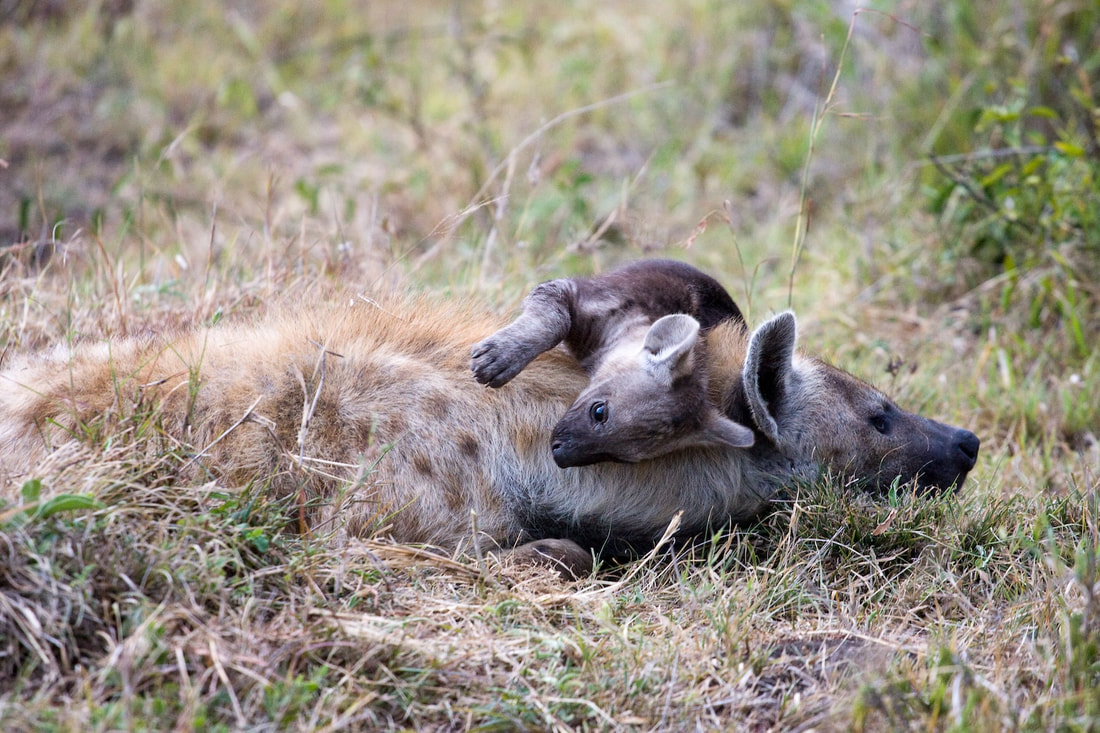
Spotted hyenas resting in the Maasai Mara
Maasai Mara, Kenya

Spotted hyenas

Crocuta crocuta

A social carnivore in complex, hierarchical societies. With the Mara Hyena Project, we study cooperation, affiliation, and physiology.
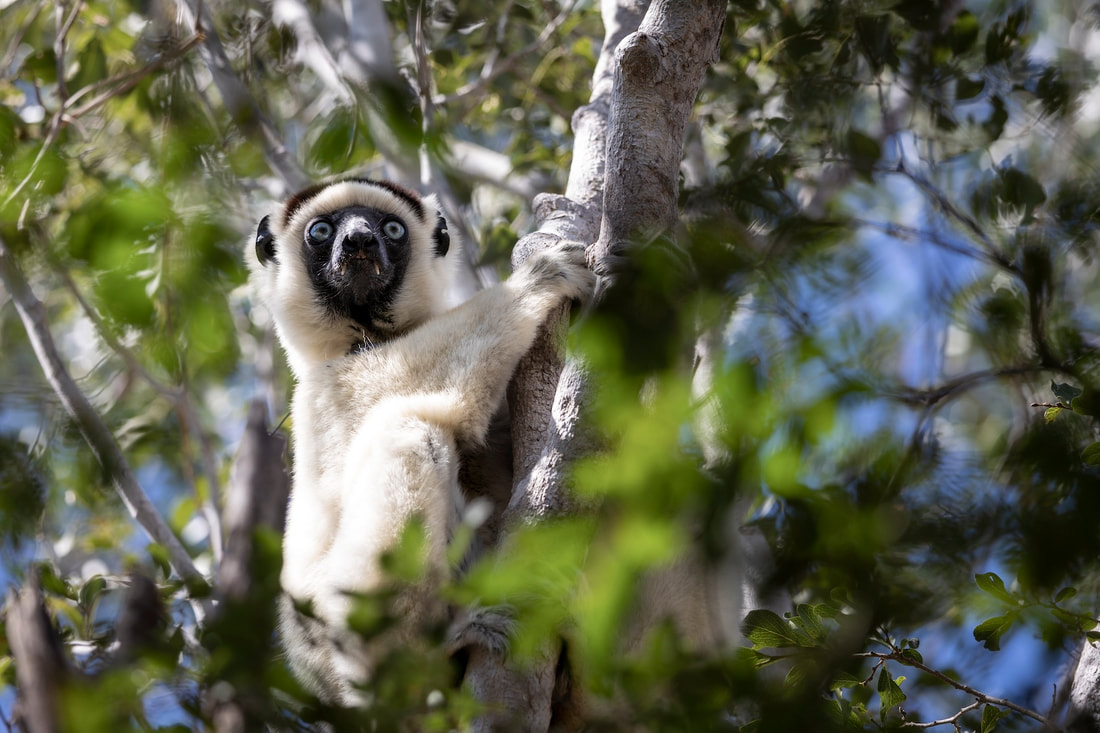
A Verreaux's sifaka in the dry forest of Kirindy Mitea
Kirindy Mitea, Madagascar

Verreaux's sifaka

Propithecus verreauxi

A social lemur facing extreme seasonal swings in resources. With the Sifaka Research Project, we track many neighboring groups with GPS biologging, drone imagery, and passive acoustic monitoring.

What we study

Core research themes

Our research charts the paths of influence among mechanistic processes operating within animals, social interactions between groupmates, and ecological conditions.

The Physiology–Ecology–Sociality triangle Behavior emerges at the center of three interacting forces: physiology, ecology, and sociality. Behavior Physiology Ecology Sociality

Plasticity in a changing world

How do animals shift their behavior across seasons and human-driven change? We study hyenas adjusting to urbanization and its consequences for diet, health, and disease, and we follow sifaka living on the metabolic edge as climate change lengthens the season of scarcity.

How physiology and behavior shape each other

Using non-invasive endocrinology, we study the feedback loop between hormones and social life by pairing thyroid hormones (energetic condition) with glucocorticoids (social stress) to tell energetic and social demands apart.

The costs and benefits of sociality

What makes group living pay off, and who bears its costs? In hyenas, social ties predict who joins risky cooperation; in sifaka, we hypothesize that loud alarm calls let neighbors monitor predation risk together.

We biobank samples and long-term data from both systems and welcome collaborations in physiology, ecology, and wildlife health. Get in touch →